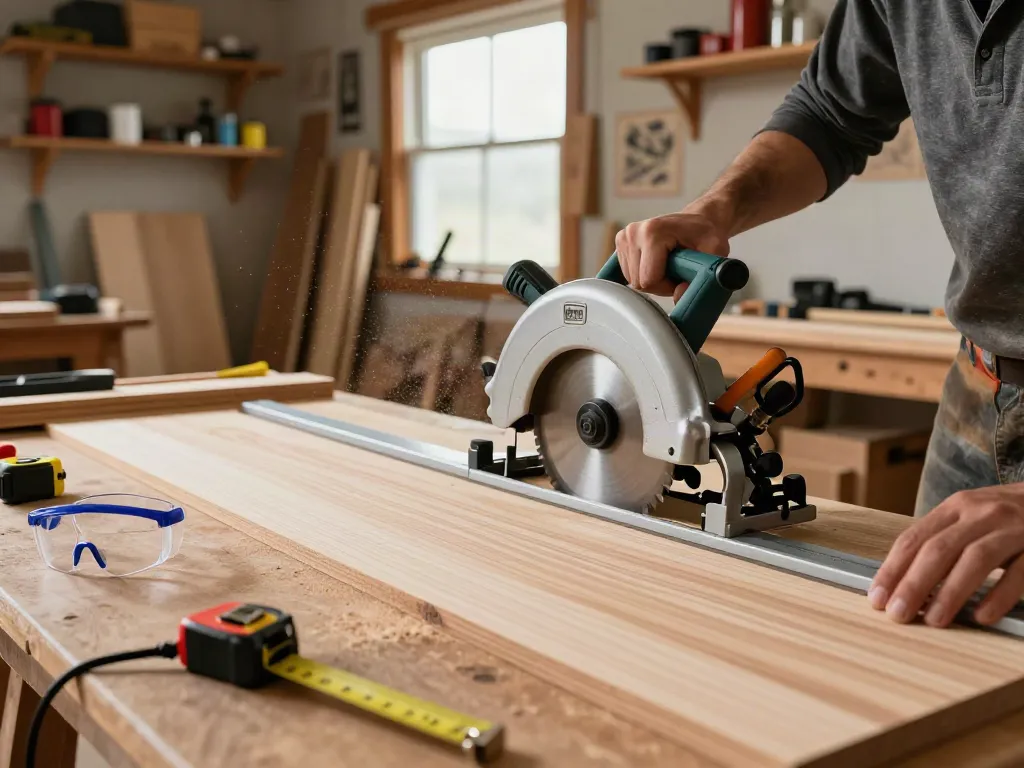
Understanding the Circular Saw Guide Rail
In the realm of woodworking and construction, achieving precision is paramount. One tool that enhances this precision when using a circular saw is the circular saw guide rail. This essential accessory allows for immaculate straight cuts and improved control over the cutting process. Understanding how guide rails function, their benefits, and features can significantly elevate your projects, whether you're a seasoned woodworker or a DIY enthusiast.
What is a circular saw guide rail?
A circular saw guide rail is a long, flat track that provides a straight edge for your circular saw to follow. Typically made from durable materials like aluminum, these rails are designed to clamp onto the workpiece, ensuring that the saw blade runs along the same path every time. The use of a guide rail eliminates the guesswork involved in freehand cutting, resulting in cleaner, more accurate cuts across various materials, from plywood to thick hardwood.
Benefits of using a guide rail with a circular saw
- Enhanced Precision: Guide rails significantly reduce the chances of deviation during cutting. The saw tracks smoothly along the rail, leading to straighter and more accurate cuts.
- Increased Safety: Using a guide rail helps keep your hands away from the blade and minimizes the risk of kickback, a common source of injury with circular saws.
- Versatility: Many guide rails can accommodate various saw models, making them a versatile addition to your toolkit. They can also be used for both straight and angled cuts.
- Improved Efficiency: With less time spent on measuring and marking cuts, you can work faster and with greater confidence when using a guide rail.
Key features to look for in a guide rail
When selecting a circular saw guide rail, consider the following features for optimal performance:
- Length: Longer rails allow for wider cuts and are ideal for sheet goods, while shorter rails are more portable and easier to handle.
- Material: Aluminum rails are lightweight and durable, providing longevity and stability.
- Clamping Mechanism: A robust clamping system ensures the guide rail stays in place during cutting, which is critical for safety and precision.
- Compatibility: Ensure the guide rail is compatible with your specific circular saw model to get the best performance.
- Anti-Slip Features: Look for rails with anti-slip surfaces or strips that help maintain the rail’s position during cuts.
Choosing the Right Circular Saw Guide Rail
With a variety of options available, selecting the appropriate circular saw guide rail can be daunting. This section is designed to provide a comparative overview of leading brands, compatibility insights, and budget considerations for both seasoned professionals and weekend warriors.
Comparative overview of leading brands
Some of the most respected brands in the guide rail market include Festool, Kreg, and Makita. Each offers unique features tailored to different user needs:
- Festool: Known for its premium quality, Festool's guide rails are designed for precision and have a reputation for durability and ease of use.
- Kreg: The Kreg Accu-Cut™ system is popular among DIYers for its affordability and straightforward setup, making it an excellent choice for those new to using guide rails.
- Makita: Offers guide rails that feature compatibility with various models, providing versatility and reliability for professional use.
Compatibility with different circular saw models
Before purchasing a guide rail, check its compatibility with your circular saw model. Most brands provide clear specifications, but it's essential to ensure that the rail will fit snugly with your saw to maximize cutting accuracy. Universal sets are also available, allowing for easy adjustments and use with a variety of saws.
Pricing and budget considerations for DIYers
Guide rails come in a range of prices, from budget-friendly options under $100 to high-end models that can exceed $300. DIY enthusiasts should weigh the frequency of use against the investment. While higher-priced models generally offer better durability and precision, a mid-range option often suffices for occasional projects without breaking the bank.
Installation and Setup of a Circular Saw Guide Rail
Understanding how to properly install and set up a circular saw guide rail is crucial for achieving optimal results. Below is a comprehensive guide to ensure your workflow remains smooth and productive.
Step-by-step guide to installing your guide rail
- Start by measuring your workpiece and marking the cut line. Ensure that the line is straight and visible.
- Place the guide rail on the workpiece, aligning it with the marked line. Adjust it so that the saw blade will intersect the cut line accurately.
- Use the clamping system to secure the guide rail in place, ensuring it does not move during cutting.
- Double-check the alignment of the rail before making any cuts.
- Once satisfied, set your circular saw onto the guide rail and ensure the shoe of the saw is flush against it.
Aligning your circular saw with the guide rail
To achieve the best cutting results, your saw must be perfectly aligned with the guide rail. Adjust the saw as necessary so that the blade lines up with the edge of the rail, maintaining a consistent depth for a clean cut. Regularly check the alignment to ensure accuracy, especially when switching between different cuts.
Common setup mistakes to avoid
- Improper Measurement: Always double-check measurements and alignment to prevent miscuts.
- Loose Clamps: Make sure that the guide rail is securely clamped before cutting to avoid movement.
- Neglecting Safety Gear: Always wear appropriate safety gear, including goggles and hearing protection, when using a circular saw.
Advanced Techniques for Using a Circular Saw Guide Rail
Once you've mastered the basics, there are advanced techniques you can employ to take full advantage of the capabilities of your circular saw guide rail.
Precision cutting methods for complex projects
When dealing with intricate designs or high-end finishes, precision is critical. For example, using a guide rail to create beveled edges or angled cuts can enhance the visual appeal of your project. Adjust the circular saw’s blade angle per your requirements and utilize the guide rail to maintain a steady path.
Using guide rails for curved cuts and angles
While guide rails are designed for straight cuts, you can achieve curved cuts with some creativity. By using a flexible guide or marking out curved lines, you can follow these paths effectively. Ensure to follow the curvature closely to produce smooth, accurate cuts, and practice on scrap material before tackling the final piece.
Maintenance tips for long-lasting performance
To ensure the longevity and effectiveness of your guide rail:
- Regular Cleaning: Keep the rail free from dust and debris to maintain its functionality.
- Check for Damage: Inspect the rail regularly for bends or warps that could impact cut accuracy.
- Secure Storage: Store the guide rail in a safe, dry location to prevent accidental damage.
Future Trends in Circular Saw Technology
The burgeoning field of woodworking tools is continually evolving, with innovations enhancing the capabilities of circular saws and guide rails. Here are some trends to watch for in the coming years.
Innovations in guide rail design for 2026 and beyond
Expect to see guide rails incorporating advanced materials that improve durability while reducing weight. Additionally, designs that allow for quicker setup and adjustment will likely become more prevalent, catering to the needs of professionals seeking efficiency.
Emerging technologies in circular saws
As technology advances, we can anticipate circular saws equipped with smart features, such as built-in laser guides for improved accuracy. These technologies will simplify the setup process and reduce the room for error, making woodworking more accessible for novices.
Predictions for the woodworking industry and DIY trends
The demand for DIY home improvement and woodworking projects continues to grow. As such, educational resources and community workshops will likely thrive, helping enthusiasts learn advanced techniques and the proper use of tools like circular saw guide rails.
Are guide rails universal for circular saws?
Guide rails are not universally compatible with all circular saws, so it's crucial to check specifications before purchasing. However, many brands offer universal guide rails that fit a variety of models.
What is the best guide rail for a circular saw?
The best guide rail depends on your specific needs and the brand of your saw. Generally, opting for well-reviewed brands like Festool or Kreg can ensure quality and compatibility.
Can I turn my circular saw into a track saw?
Yes, many guide rails can convert standard circular saws into track saws. This typically involves adding an attachment or using a guide rail designed for this purpose, allowing for precision cuts similar to dedicated track saws.
Are circular saw guides worth it?
For those who value precision and efficiency, investing in a circular saw guide rail is often worthwhile. The increase in cutting accuracy and decrease in waste can lead to better-quality finished projects.
How to maintain a circular saw guide rail?
Maintenance involves regularly cleaning the rail, checking for bends or damage, and ensuring it is stored securely. For more information, Mister Worker offers valuable insights. Proper care can extend the life of your guide rail, ensuring consistent performance on every project.